
They come home ready. The jobs aren’t there.
Returned missionaries come home with English, discipline, and leadership — but often few economic opportunities. Starbridge Foundation helps them build locally owned English and digital-skills academies in their own communities.
Our first academy is now open in Tete, Mozambique.
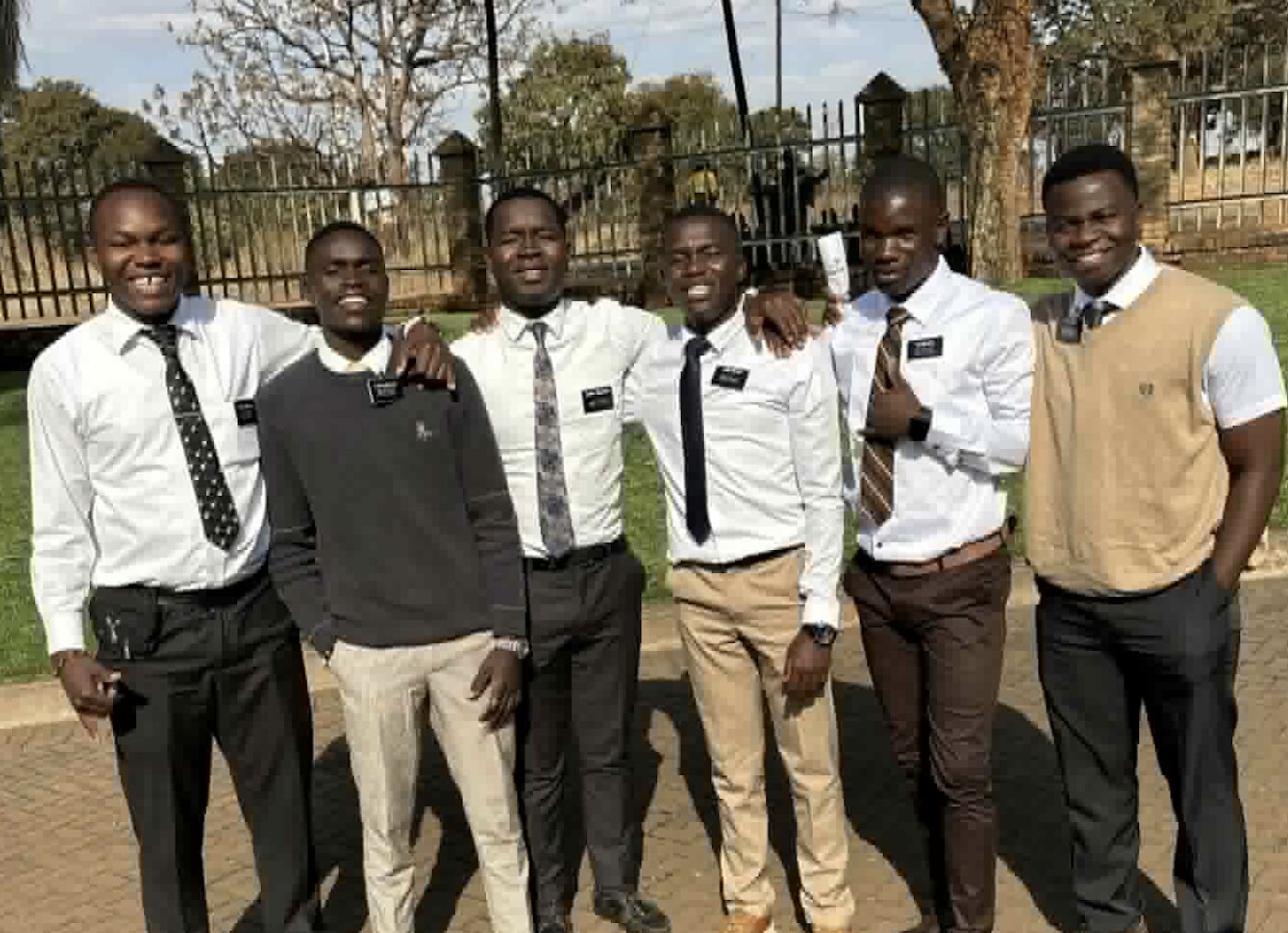
Why returned missionaries?
A mission is two years of structure, rejection, early mornings, and teaching people one at a time. It is, almost exactly, the training an academy founder needs. What it doesn’t come with is a job. Starbridge exists to close that gap — not by placing returned missionaries somewhere, but by helping them build something of their own, at home. If that sounds like a contradiction — English opens doors, yet they’re still waiting — we answer it directly, along with the other hard questions.
They’re already home
The language, the neighborhoods, the trust — a local founder starts with advantages an outsider might spend years trying to build. This is their community, not their posting.
They come back with English
A returned missionary already has the skill the academy teaches. The Starbridge Learning Platform carries the drilling and the pronunciation work, so the founder can run the room and teach — not carry the whole language load alone.
They know how to work
Two years of disciplined daily effort and one-to-one teaching. Running an academy asks for the same thing, on the same schedule.
Founders keep everything they earn.
No revenue share. No royalties. No profit caps. The Foundation provides the curriculum, the learning platform, the brand, and the operating playbook — and takes none of the margin. We’re a nonprofit. A thriving academy, owned by a returned missionary, is the whole return.
What’s missing is capital.
A returned missionary in Tete has the language, the community, the work ethic, and the English. What they often cannot access from a traditional bank is the startup capital to open a school. That single gap is why so much capability in the developing world never becomes an institution.
So that’s the gap the Foundation exists to close. We supply the system — curriculum, learning platform, brand, operating playbook — at no cost to the founder. And we lend the startup capital: a loan to cover the cost of getting the doors open, repaid out of the academy’s operations once it’s running.
A loan, not a stake. The Foundation takes no ownership and no share of the profit. And because a loan comes back, the same philanthropic dollar can open a second academy, and a third.
This wasn’t possible five years ago.
Three things changed at once. Starbridge sits where they cross.
Satellite internet works
Connectivity crossed the reliability threshold. Any city can be online now, whatever the fiber map says.
The payoff for these skills went up
The tools now reorganizing how work gets done — search, software, AI itself — are operated in English, by people comfortable on a computer. Whatever the next ten years look like, they favor the person who has both.
AI made practice affordable
Unlimited speaking practice used to require a fluent adult per student. It doesn’t anymore. That’s the cost barrier that kept quality English instruction out of reach.
The gap isn’t talent. It’s access.
And here’s what that academy changes for the students who walk through the door.
English
English is the working language of every country on Mozambique’s borders — but quality instruction is out of reach for most families in the regions we serve.
Digital skills
Jobs increasingly assume computer and internet fluency that schools are not equipped to teach.
Connectivity
Reliable internet is now possible anywhere via satellite — but access alone doesn’t build capability.
A bridge, not a handout.
Starbridge academies are small, community-based schools that combine real teachers, structured curriculum, AI-powered practice tools, and Starlink connectivity. Each academy is owned and run by a local returned missionary founder as a sustainable business — affordable to students, profitable to operate, and built to last without depending on donations.
Reliable connectivity
Every academy runs on satellite internet, bringing dependable access to cities the fiber map forgot.
Practical education
English for work and digital literacy, taught in a disciplined daily routine: human teachers for speaking, software for practice.
Locally owned
Academies are run by local founders who know their community — and who keep the profits they earn.
Built to sustain
Affordable tuition and sound operations mean each academy stands on its own, year after year.
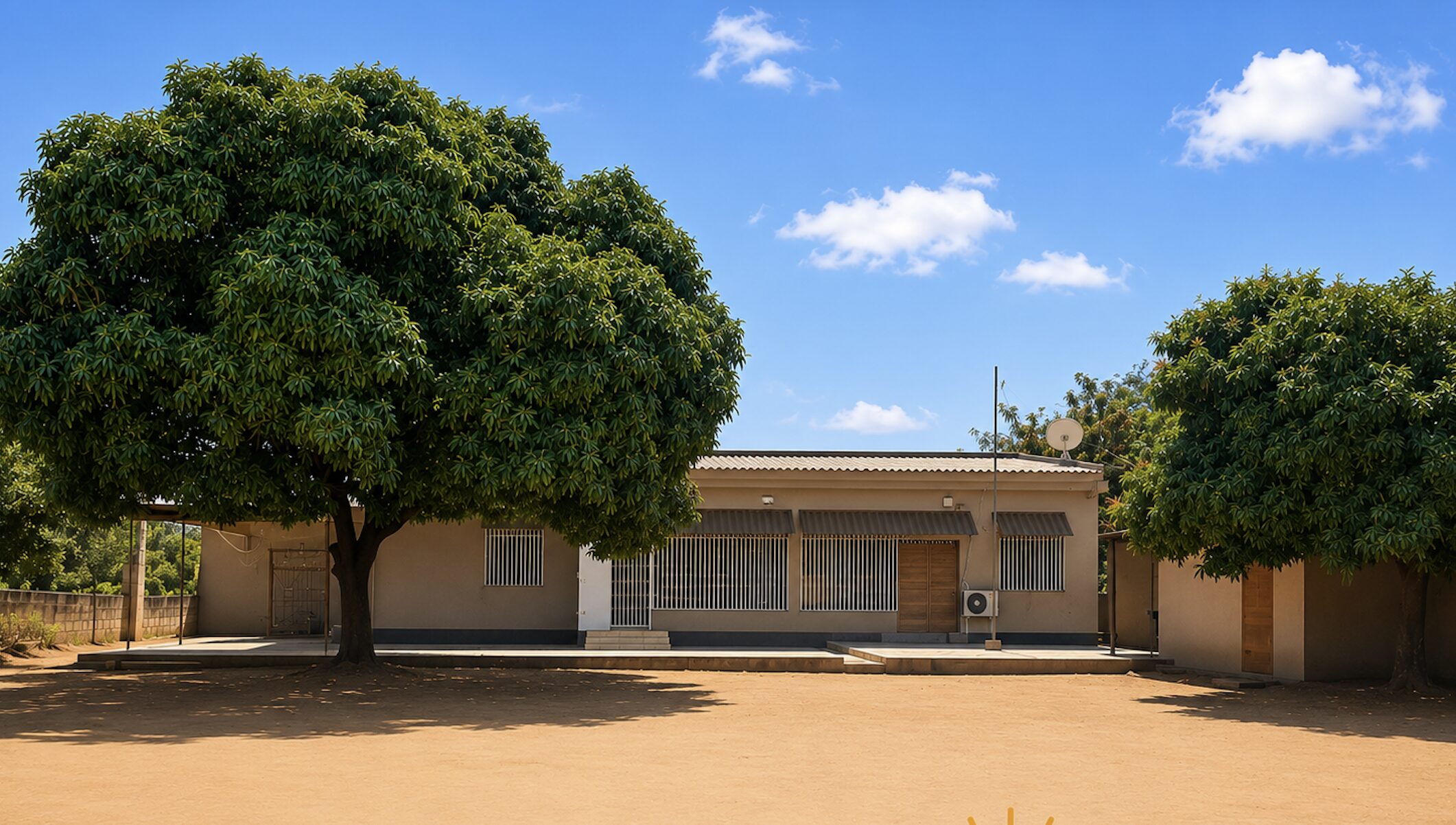
NOW OPEN — OUR FIRST ACADEMY
Tete, Mozambique
Our pilot academy is open in Tete, a city of over 300,000 in northwest Mozambique. Run locally by Victor Rebo with the Foundation’s support, it teaches practical English and digital skills to beginners — with small classes, real teachers, Chromebooks, AI practice tools, and Starlink internet.
Not a charity school. A self-sustaining model.
Returned missionaries gain ownership and income. Students gain affordable English, digital skills, and connectivity. One outcome depends on the other.
The Foundation builds the system
Curriculum, teaching model, technology, brand, and standards — designed once, shared with every academy.
Local founders run the academies
Independent owner-operators who invest in their community and answer to their students.
Students pay a fair local price
Tuition scaled to local incomes keeps every academy accountable for delivering real value.
Find your way in.
Three ways in. Founders first — that’s the engine.
Help us build the bridge.
We’re looking for partners, advisors, volunteers, and future academy founders.
Get involved